

Learning from the Photography Model
One of the most effective ways to grow is to expand how you offer your work to the world. Professional photographers have mastered this. Consider a typical portrait photographer who manages multiple sessions a week and weddings on weekends. If you asked how they generate their target revenue, they would likely tell you it doesn’t come from the act of taking the photo itself.
Instead, it comes from a diverse range of offerings:
- Editing Services: Retouching, digital effects, and custom post-processing.
- Physical Products: Fine art prints, custom photo albums, and curated gift items.
- Digital Delivery: High-resolution files provided via USB or digital galleries.
They aren’t relying on a single sale; they are offering a suite of products and services, either as packages or à la carte.
Breaking the Linear Mindset
Many artists approach business in a strictly linear fashion—creating a piece and then waiting for the “right” gallery or buyer to find it. But as creatives, we should apply our “outside-the-box” thinking to our business models, not just our canvases.
I learned this firsthand. Years ago, when I was selling digital artwork, I was disappointed to find that while my viewership was high, my sales were low. I was only offering prints. When I began to experiment with other formats—desktop wallpapers, screensavers, clip art, and licensing—my revenue began to climb. Interestingly, as I offered more diverse options, my traditional print sales actually increased as well.
5 Ways to Diversify Your Creative Revenue Today
While digital screensavers may not be the draw they once were, there are several modern avenues artists can take to increase sales:
- Building a Collector Base: This is an ongoing process, but as you cultivate a loyal following, it becomes significantly easier to sell both originals and limited-edition prints.
- Stock Imagery: I once thought this was strictly for photographers, but many paid stock sites now host paintings and digital illustrations. While it may not make you a fortune overnight, it creates excellent residual income.
- Prints & Reproductions: This remains one of the best ways to monetize the same piece of art repeatedly. There is a unique satisfaction in knowing the work you put into a single image continues to pay off over time.
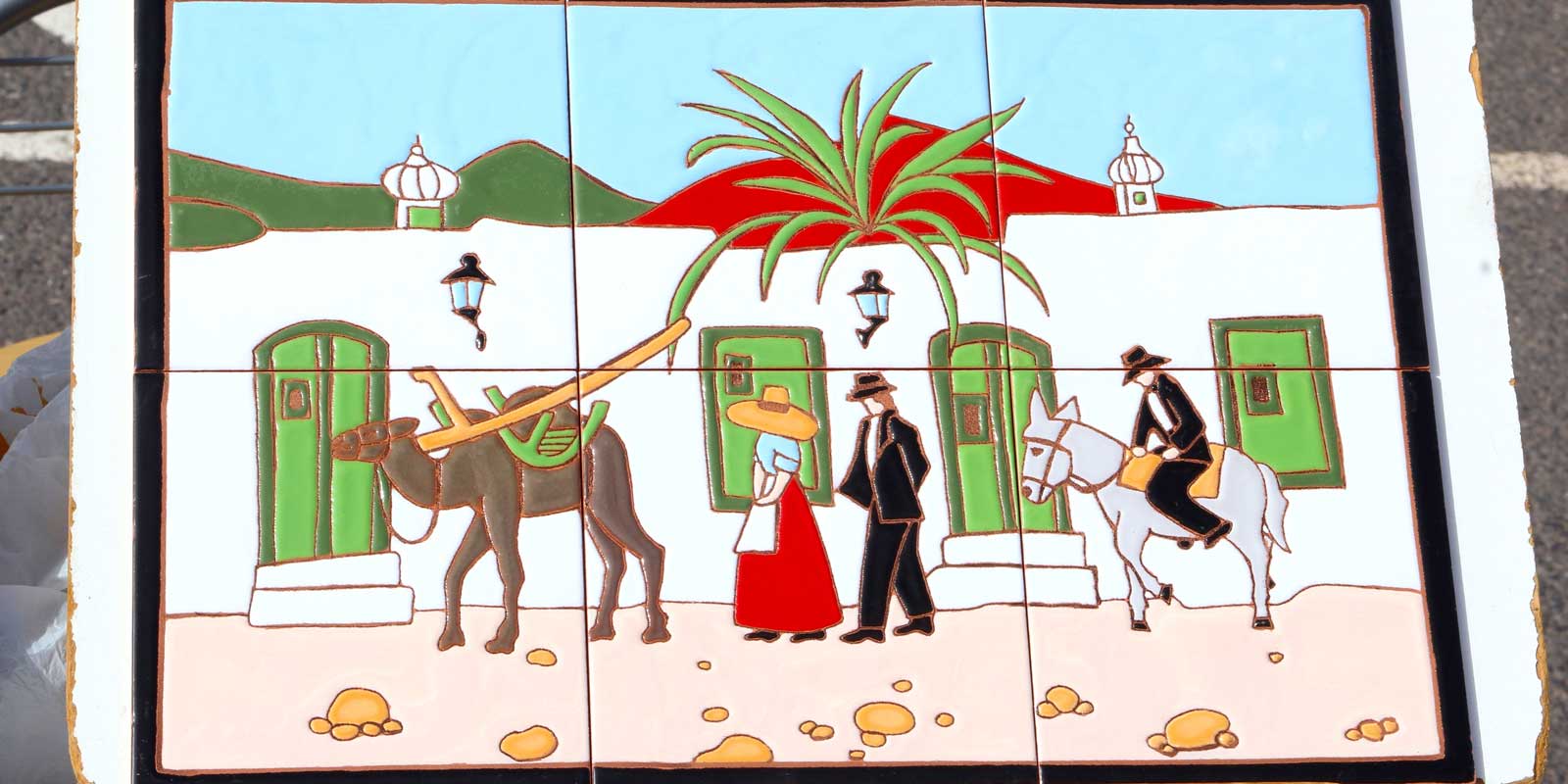
- Merchandise & Products: From ceramic tiles and coffee mugs to mouse pads and metal prints, the possibilities are endless. I know an illustrator who used FinerWorks to fulfill paper and canvas orders, but after adding coffee mugs to her shop, those items now make up over half of her business.
- Commissions & Supplementary Services: This could range from painting a wall mural to teaching your craft. A close friend of mine discovered his true passion was teaching; he converted part of his studio into a classroom and now earns a significant portion of his income hosting photography courses.